Navigating Automotive Supply Chain Challenges in Central Indiana
- robguest5
- Apr 24
- 4 min read
The automotive industry is facing unprecedented challenges, particularly in regions like Central Indiana, where the supply chain is a critical component of production. As manufacturers strive to meet consumer demands while managing costs, understanding the intricacies of the supply chain becomes essential. In this blog post, we will explore the current challenges faced by the automotive supply chain in Central Indiana, the factors contributing to these issues, and potential strategies for overcoming them.

Understanding the Automotive Supply Chain
The automotive supply chain is a complex network that involves multiple stakeholders, including suppliers, manufacturers, distributors, and retailers. Each link in this chain plays a vital role in ensuring that vehicles are produced efficiently and delivered to consumers on time. In Central Indiana, this network is particularly significant due to the region's rich history in automotive manufacturing.
Key Components of the Supply Chain
Raw Materials: The foundation of any automotive supply chain begins with raw materials. Steel, aluminum, plastics, and rubber are just a few examples of the essential components needed to manufacture vehicles.
Parts Suppliers: These suppliers provide the various components that make up a vehicle, from engines to electronic systems. In Central Indiana, many suppliers are located close to manufacturing plants, which helps reduce transportation costs and lead times.
Manufacturing Facilities: Central Indiana is home to several major automotive manufacturers, which rely on a steady flow of parts and materials to maintain production schedules.
Distribution Networks: Once vehicles are manufactured, they must be distributed to dealerships and consumers. This involves logistics companies that manage transportation and warehousing.
Current Challenges in the Supply Chain
Despite its strengths, the automotive supply chain in Central Indiana is currently facing several challenges:
1. Global Disruptions
The COVID-19 pandemic has had a lasting impact on global supply chains. Lockdowns and restrictions led to factory closures and labor shortages, causing delays in production and shipping. As a result, many manufacturers in Central Indiana have struggled to obtain the necessary parts and materials.
2. Semiconductor Shortages
One of the most significant issues affecting the automotive industry is the shortage of semiconductors. These tiny chips are essential for modern vehicles, powering everything from infotainment systems to advanced driver-assistance technologies. The pandemic disrupted semiconductor production, leading to widespread shortages that have forced manufacturers to slow down or halt production.
3. Rising Costs
Inflation and increased demand for raw materials have driven up costs across the supply chain. Manufacturers are facing higher prices for steel, aluminum, and other essential components, which can impact profit margins and consumer prices.
4. Labor Shortages
The automotive industry is also grappling with labor shortages. Many skilled workers left the industry during the pandemic, and attracting new talent has proven challenging. This shortage can lead to production delays and increased operational costs.
5. Environmental Regulations
As the automotive industry shifts toward more sustainable practices, manufacturers must navigate a complex landscape of environmental regulations. Compliance with these regulations can add additional costs and complexity to the supply chain.
Strategies for Overcoming Supply Chain Challenges
While the challenges are significant, there are several strategies that manufacturers in Central Indiana can adopt to navigate these issues effectively.
1. Diversifying Suppliers
One way to mitigate risks in the supply chain is to diversify suppliers. By working with multiple suppliers for critical components, manufacturers can reduce their dependence on any single source and minimize the impact of disruptions.
2. Investing in Technology
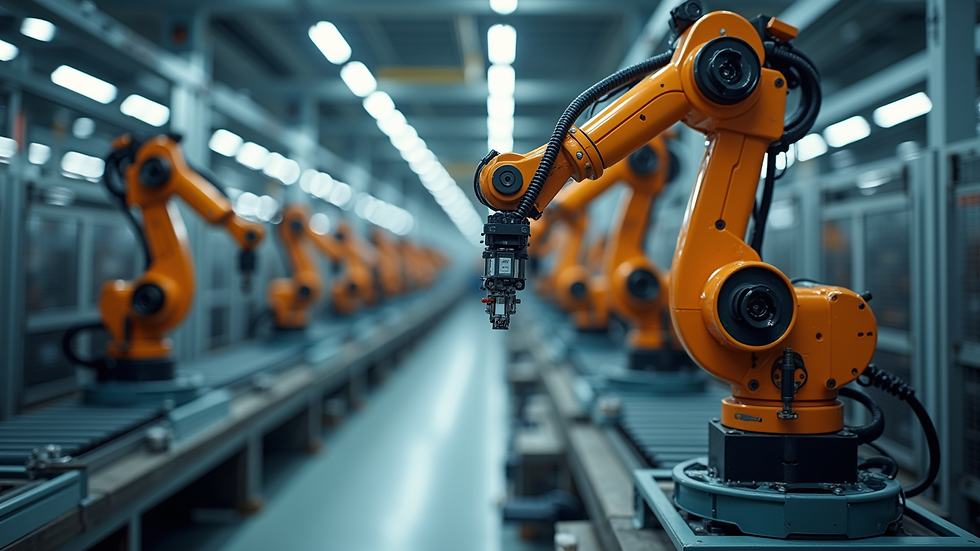
Embracing technology can enhance supply chain visibility and efficiency. Implementing advanced analytics, artificial intelligence, and automation can help manufacturers better predict demand, optimize inventory levels, and streamline operations.
3. Building Strong Relationships
Establishing strong relationships with suppliers and logistics partners is crucial. Open communication and collaboration can lead to better problem-solving and more effective responses to disruptions.
4. Focusing on Workforce Development
Investing in workforce development is essential for addressing labor shortages. Manufacturers can partner with local educational institutions to create training programs that equip workers with the skills needed in the automotive industry.
5. Emphasizing Sustainability
As environmental regulations become more stringent, manufacturers should prioritize sustainability in their supply chain practices. This can include sourcing materials responsibly, reducing waste, and adopting energy-efficient technologies.
The Future of the Automotive Supply Chain in Central Indiana
Looking ahead, the automotive supply chain in Central Indiana is poised for transformation. As manufacturers adapt to current challenges, they will likely embrace new technologies and practices that enhance resilience and efficiency.
Emerging Trends
Electrification: The shift toward electric vehicles (EVs) is reshaping the supply chain. Manufacturers will need to source new materials and components specific to EV production, such as batteries and electric drivetrains.
Digital Supply Chains: The integration of digital technologies will continue to evolve. Manufacturers will leverage data analytics and IoT devices to gain real-time insights into their supply chains, enabling them to respond quickly to changes.
Local Sourcing: To reduce reliance on global suppliers, manufacturers may increasingly focus on local sourcing. This can help mitigate risks associated with international shipping and improve supply chain agility.
Circular Economy: The automotive industry is moving toward a circular economy model, where materials are reused and recycled. This approach can reduce waste and lower costs while meeting sustainability goals.
Conclusion
Navigating the automotive supply chain challenges in Central Indiana requires a proactive approach. By understanding the complexities of the supply chain and implementing effective strategies, manufacturers can enhance their resilience and adaptability. As the industry continues to evolve, staying informed and agile will be key to thriving in this dynamic environment.
The automotive supply chain is not just a series of processes; it is a vital ecosystem that supports the industry's growth and innovation. By addressing current challenges and embracing new opportunities, manufacturers in Central Indiana can position themselves for success in the years to come.

Comments